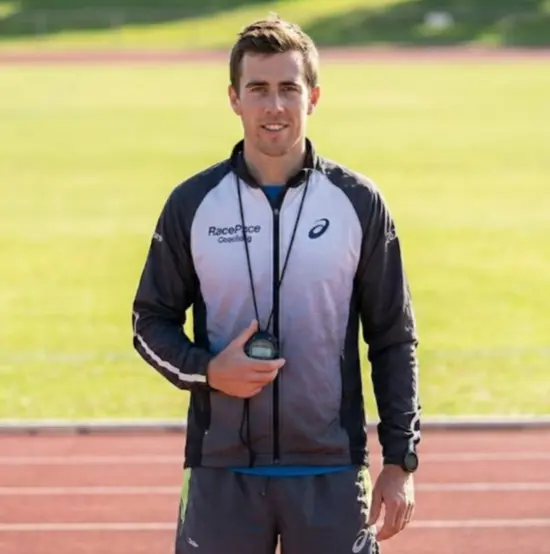
I work across endurance disciplines and offer tailored services to
athletes at every level — from beginners to elites. Explore sport types
and services below, then request a plan.
How do I become a running coach in Canada (or another country)?
Becoming a running coach is a step-by-step process that blends
formal education with practical experience. Start by researching
recognised certifications in the country where you plan to coach; in
Canada that might include provincial athletics programs or
internationally recognised organisations such as RRCA, UESCA or the
equivalent national body. Enrol in an entry-level course to learn
training theory, biomechanics and basic physiology. After completing
coursework, seek practical experience: assist a senior coach, help
run a club session or volunteer at local races. Practical mentoring
helps you translate theory into real-world athlete management and
risk assessment. Parallel to this, arrange professional liability
insurance and, if you will work with youth, acquire the required
background checks (e.g. DBS, vulnerable sector checks) and
safeguarding training. Build a simple portfolio with case studies: a
few athlete examples showing initial status, programme highlights
and measurable outcomes. Finally, consider continuing professional
development (CPD) courses in sports nutrition, strength and
conditioning, or gait analysis—these specialisms increase your value
as a coach.
How much does a running coach cost and what pricing models exist?
Running coach fees differ widely depending on the coach's
qualifications, the package contents, your location, and whether
support is remote or in-person. Typical pricing models include
hourly rates (for gait analysis, consulting or one-off sessions),
monthly subscriptions (which often include weekly plans and
message-based feedback), and one-off bespoke plans (delivered as a
document or TrainingPeaks upload). Expect hourly consults to range
from modest local rates to higher expert fees for specialist
analysis. When evaluating cost, check what is included: how many
weekly adjustments, video analysis sessions, live calls, and whether
a coach provides platform integration (TrainingPeaks/FinalSurge).
Also ask about trial periods, refund policy, and whether you can
upgrade or downgrade the plan. Pricing should reflect the value of
time saved, injury risk reduction, and targeted progress—so weigh
results and coach responsiveness alongside the dollar figure.
How do Garmin Run Coach plans (2, 3, 5 days/week) work?
Garmin Coach offers adaptive multi-week programmes where you pick a
race goal and preferred training frequency (for example 2, 3 or 5
days per week). The chosen frequency determines how workouts are
distributed: lower frequencies prioritise quality sessions
(intervals and long runs) while higher frequencies allow more
aerobic volume and supplementary easy runs. Importantly, the coach
adapts the plan based on your completed workouts and performance
feedback. For example, a 2-day plan is ideal for busy athletes who
want key stimulus without excessive volume: expect two targeted
sessions per week and guidance on how to keep aerobic base
elsewhere. A 3-day plan balances intensity, recovery and a weekly
long run; a 5-day plan increases total weekly volume and can
accelerate adaptation for more experienced runners. Always ensure
device sync (watch to Garmin Connect) so progress and missed
sessions are tracked and the plan updates intelligently.
Garmin Coach vs Daily Suggested Workout — which should I use?
Choose Garmin Coach when you have a specific race goal and want a
structured, periodised plan that builds over weeks with scheduled
key sessions. Garmin Coach is goal-orientated and adapts across
several weeks based on progress. By contrast, Daily Suggested
Workouts are reactive: they look at your recent training load,
recovery and readiness measurements to propose a session for the
day. Daily suggestions are excellent for flexible day-to-day
decision-making when you want guidance tuned to current fatigue and
performance data. If you value a clear race-preparation structure,
pick Garmin Coach. If you prefer dynamic, recovery-aware daily
choices, use the suggested workouts. You can combine both: follow a
Garmin multi-week plan as your baseline and use Daily Suggested for
replacement sessions when you're fatigued or pressed for time.
Does Samsung Health / Galaxy Watch have a built-in running coach?
Samsung Health provides guided workouts and running support on
compatible Galaxy Watch models, but the depth of features varies by
watch generation and regional software. Newer Galaxy Watches may
include pace guidance, structured workouts and suggested sessions;
however, full multi-week race coaching is less common than on
Garmin's platform. If a feature appears missing, ensure both the
watch and the Samsung Health app are updated and check the device
compatibility list from Samsung. For athletes seeking multi-week
adaptive coaching, pairing a dedicated coaching platform
(TrainerRoad/Runna/TrainingPeaks) or a human coach with Samsung
Health data may give a more complete solution. Samsung works best
for daily suggestions and guided intervals rather than complex
periodised plans.
How to find a running coach near me (including kids' coaches)?
Finding a coach locally starts with running clubs, local race
organisers and specialist stores—these communities often know active
coaches in your area. Search Google Maps or Facebook with "running
coach near me" and filter by reviews and recent activity. For youth
coaching explicitly ask about safeguarding checks, child-centered
coaching experience and plans tailored to that age group. When
evaluating a coach, request a brief consultation, a sample week, and
references from current athletes. Ask about coaching platforms used
(TrainingPeaks/FinalSurge), communication cadence (email, chat,
weekly calls) and how they handle injury or missed sessions. A local
trial or single-session analysis can be a low-commitment way to
check fit before longer-term engagement.
What exactly does a running coach do (training plans, pacing,
nutrition)?
A running coach's role is broad: they assess your current fitness,
design periodised training plans, set workout intensities and pacing
targets, and advise on recovery and nutrition. Coaches also
interpret training data (heart rate, power, pace) to monitor load
and ensure progressive adaptation while reducing injury risk. Many
coaches perform video gait analysis to correct form and prescribe
specific strength and mobility routines to address weaknesses.
Beyond workouts, coaches help with race strategy, pacing plans,
fuelling schedules for long runs, and mental preparation. They
provide accountability via regular check-ins and modify programs
when life, illness or other factors disrupt training. The best
outcomes come from clear communication, measurable goals and a coach
who adapts programming to the individual athlete.
How do I hire a running coach — what should I ask?
When hiring a coach, focus on fit and process. Ask about the coach's
typical athletes and success stories, how they individualise
programmes, and their communication style (daily messages, weekly
check-ins, monthly calls). Request a sample week and clear
deliverables so you understand exactly what you are paying for.
Clarify platform support (TrainingPeaks, FinalSurge), whether live
sessions or video analysis are included, and how quickly they
respond to queries. Additionally, discuss pricing, trial periods and
cancellation terms. A good coach will ask detailed questions about
your history, injuries, and goals before providing a plan. Consider
a short paid trial (2–4 weeks) to check compatibility before
committing to longer contracts.
Which running coach certification is best?
No single certification suits everyone; the right choice depends on
your target athletes and region. National governing body
qualifications often carry weight locally, while organisations like
RRCA, UESCA and USATF are well-regarded internationally for their
curriculum and practical content. When selecting a course,
prioritise programs that include practical mentoring, case studies
and CPD opportunities. Consider the athlete population you want to
work with: elite athletes, recreational runners, youth or
triathletes—some courses specialise in specific areas. Read graduate
reviews, check whether the course content is evidence-based, and
confirm the assessment format (exam, portfolio, practical). A
combination of credential plus mentoring and real coaching hours
usually leads to the best outcomes.
Are there free running programs (Couch to 5K, Nike Run Club)?
Yes—programmes like Couch to 5K and apps such as Nike Run Club offer
excellent free structured plans for beginners, guiding newcomers
through progressive sessions and helping build consistency. These
programs are very effective for general fitness and beginners who
need guided structure without expense. However, they are not
personalised: they cannot tailor sessions for injury history,
specific pacing goals, or individual recovery needs. If you require
bespoke pacing, advanced periodisation, or targeted injury-reduction
strategies, a paid coach or customised plan may be preferable.
Can a running coach help with form and injury prevention?
Yes. Coaches use gait video analysis, prescribe targeted strength
and mobility work, and manage progression to lower injury risk. For
existing injuries, combine coaching with physiotherapy.
How do I choose running shoes from brands like Nike, Adidas, ASICS?
Fit is king: measure feet later in the day, try shoes on with
running socks and test by running briefly. Consider cushioning,
stability needs, your mileage, and budget. Specialty running stores
provide gait analysis and personalised recommendations.
What are typical deliverables when buying a plan (PDF,
TrainingPeaks)?
Deliverables vary: PDF/printable plans, TrainingPeaks/FinalSurge
workout uploads, weekly check-ins, video feedback and tailored
adjustments depending on the package.
How do online coaching platforms compare to a personal coach?
Platform plans are scalable and often cheaper; a personal coach
provides tailoring, accountability and nuanced decision-making when
training disruptions happen. Choose the model that matches your need
for individualisation.
Can a running coach create plans for marathon, half marathon, 5K?
Yes — coaches tailor weekly volume, key workouts and tapering for
each distance, including pacing strategies and nutrition plans for
longer events like marathons.
How should training change for older athletes (50+)?
Older athletes benefit from more recovery, targeted strength work
and careful load management. Coaches reduce weekly spikes, increase
mobility and resistance training and monitor recovery and sleep more
closely.
What are common payment and cancellation policies for coaches?
Commonly: monthly subscriptions with notice periods, prepaid blocks
of weeks, or pay-per-service. Check refund and trial policies before
committing.
Can coaches help team athletes (footballers, soccer players)?
Yes — many coaches provide sport-specific conditioning, speed and
agility programmes tailored to in-season schedules and positional
demands.
Do you provide a trial or sample week before buying a plan?
We offer a trial/sample week on request so you can evaluate the plan
format, communication style and how well the workouts match your
schedule. Contact us to request a trial.
Can a running coach prefill my contact form or help me get started?
Yes — when you click "Plan Details" and select a plan, the modal
includes a "Get Plan" action that pre-fills the contact message to
help describe your goal, current weekly mileage and the plan you're
interested in. That speeds communication and lets us provide
accurate next steps.